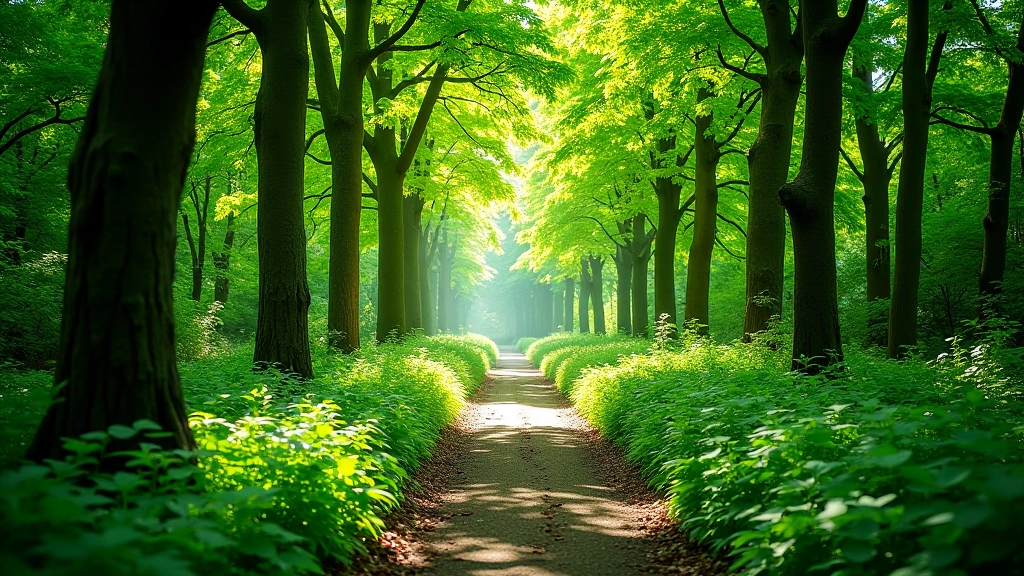
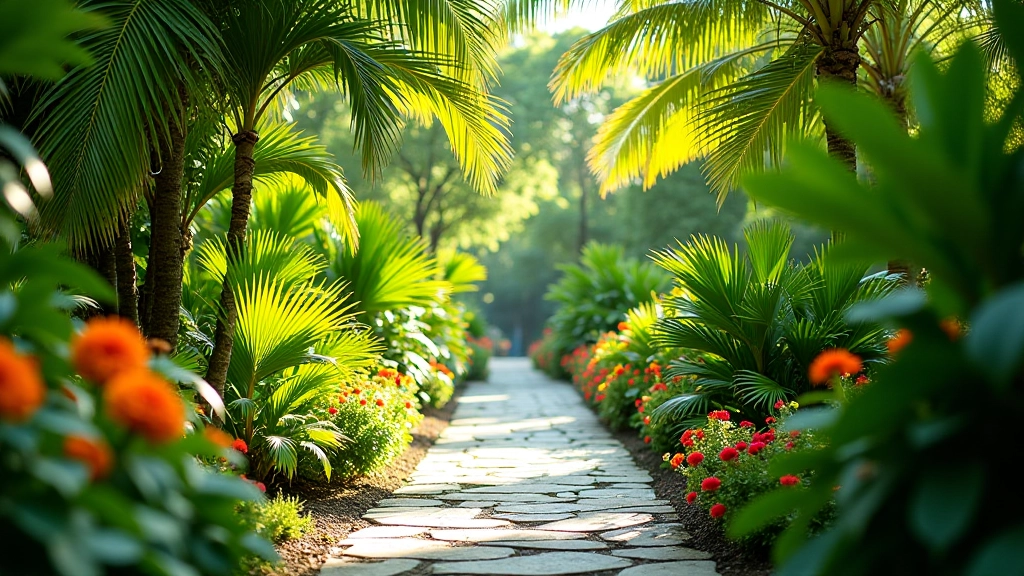

Walking through Derreen Gardens feels like stepping into another world. You'll find yourself surrounded by subtropical plants that shouldn't thrive in Ireland — yet here they are, flourishing on the Beara Peninsula. The estate sits on a steep hillside overlooking Kenmare Bay, and the microclimate here is genuinely remarkable. That's what makes it such a gem for pensioners and older visitors looking for something special without needing serious fitness levels.
The gardens were planted in 1870 by a Victorian entrepreneur who'd travelled extensively. What he created wasn't a formal showcase garden — it's more intimate than that. The planting feels natural, almost wild in places. Tree ferns reach overhead. Bamboo groves create quiet pockets. Native woodland frames everything. And the paths? They're manageable. Not flat, but not brutal either. We've walked them with visitors in their seventies and eighties without anyone struggling.
Key fact: The estate covers 25 acres, but you don't need to walk all of it. Most visitors spend 60-90 minutes exploring the main pathways, which is perfect for a comfortable morning or afternoon visit.
Why Derreen Works for Older Visitors
The first thing you'll notice is the seating. There are benches positioned at strategic points — not everywhere, but where they matter. At viewpoints. Under the biggest trees. Places where you'd naturally want to stop anyway. You're not forced to keep moving.
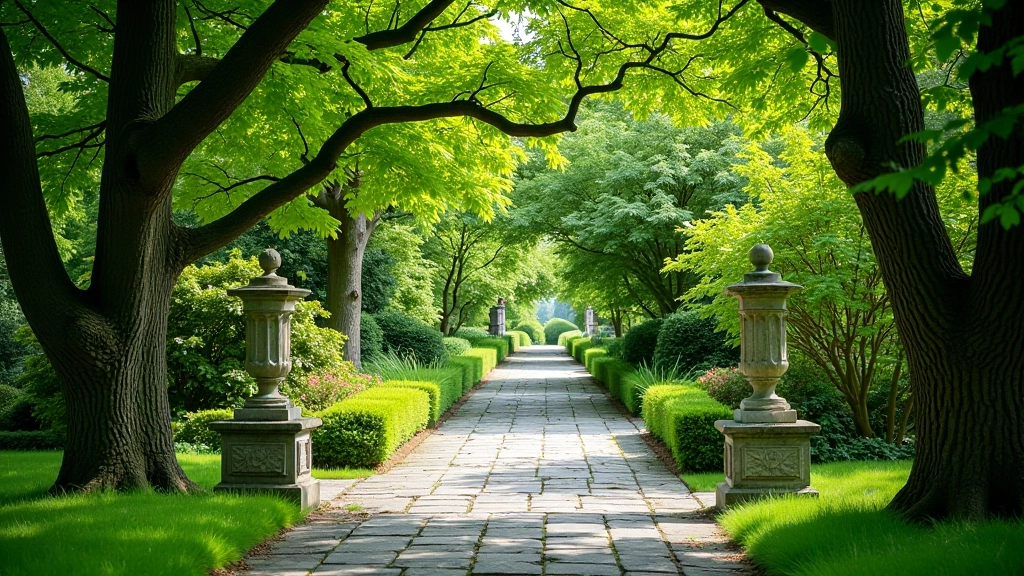
The paths themselves are mostly stone or compacted gravel. They have a natural slope rather than steep stairs. That matters more than you'd think. A gentle slope is manageable; steps are often the dealbreaker for people with mobility considerations. There's also plenty of handholds — tree trunks, railings in trickier sections — nothing that screams "this is for disabled people." It's just practical design.
Plus, there's genuine shelter. The mature trees and dense planting create natural windbreaks. On blustery Kerry days (and there are many), you'll notice the difference. And the shade? Essential on warm days. You're not exposed walking across open lawns.
What You'll Actually See

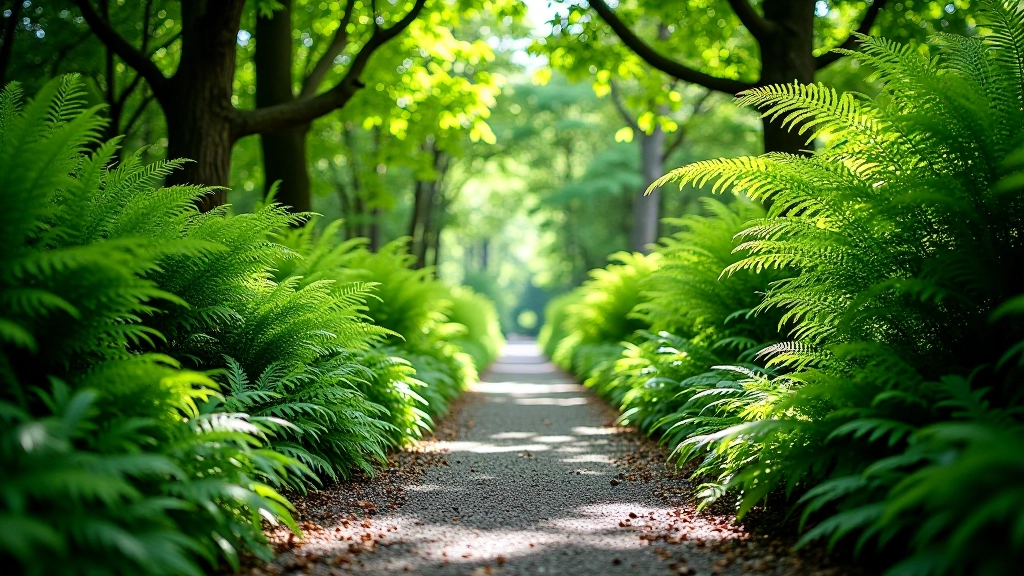
This isn't a traditional Irish garden. There are no formal borders or rose gardens. Instead, you'll find tree ferns that look prehistoric. Bamboo that creaks in the wind. Rhododendrons and camellias flowering at odd times. Some of these plants were brought back from Asia and the Mediterranean by the original owner. They've established themselves so thoroughly that they feel native now.
The woodland sections are equally compelling. Native oak, ash, and birch frame the more exotic plantings. There's a ravine with a stream running through it — you can hear the water from the upper paths. The Japanese bridge (yes, there is one) is a nice moment, though it's not challenging to cross. Mostly you're walking through a blend of cultivation and wildness.
Seasonal timing matters. Spring (March-May) brings rhododendrons and camellias. Summer (June-August) is green and full. Autumn (September-October) offers colour and clearer views across the bay. Winter's quieter but still beautiful if the weather cooperates.
Note: This article is informational, based on visitor experiences and accessibility assessments. Individual comfort levels vary. The estate's terrain and facilities may change seasonally. We recommend checking current opening hours and conditions with Derreen Gardens directly before planning your visit.
Practical Details That Matter
The estate is open most of the year (check ahead for exact dates). There's a small car park at the entrance — important if you've got mobility concerns. You won't be hiking from some distant lot. The entrance fee is modest, and there's a small visitor facility with toilets. This sounds basic, but you'd be surprised how many "beautiful destinations" lack toilets nearby.
The main path loop takes about 60-90 minutes at a leisurely pace with breaks. You're not rushed. If you want to skip sections or head back early, it's straightforward navigation. There's no "you've got to keep going" feeling. And the weather? Bring a layer. Even on warm days, the shade is cool. Wind can pick up without warning.
Footwear matters. Proper walking shoes with grip, not trainers. The paths aren't muddy usually, but they can be uneven. A walking pole is worthwhile if you use one regularly. The estate isn't hostile to them — plenty of people use them.
Why Visit at All?
Honestly? Because it's peaceful. You won't find crowds in most sections. The views across Kenmare Bay from certain points are genuinely stunning. And there's something restorative about being surrounded by mature trees and plant life that's thrived for 150+ years. It doesn't feel like a performance or an achievement to visit — it feels like a quiet escape.
For pensioners specifically, it ticks important boxes. You can visit comfortably without needing high fitness levels. There's natural rhythm to the experience — walks, stops, views, shade, shelter. It's accessible without being condescending. And it's genuinely beautiful without requiring you to know plant names or garden design theory. You just walk through it and appreciate what's there.
We've guided visitors through Derreen who'd expected to manage 20 minutes and ended up staying two hours. Not because they felt pressured, but because they found their own pace and discovered corners that appealed to them. That's the mark of a good accessible destination — it meets people where they are, then lets them choose their own experience.