

Lauragh Valley Trails for Easy Walking
Explore the valley's best low-impact walking routes. We've tested each one and share what to expect at every turn.

Why Lauragh Valley Works for Everyone
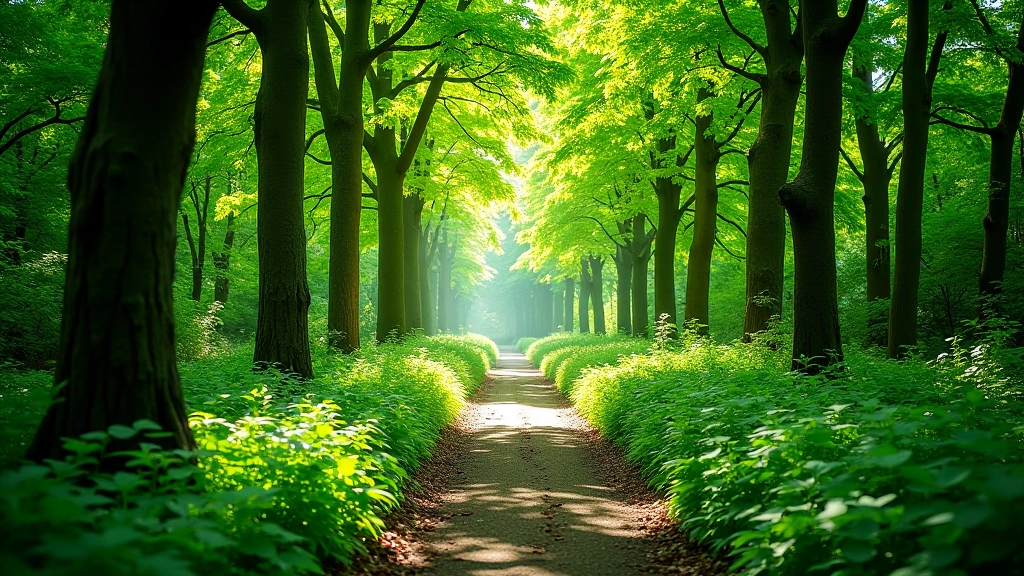
The valley's real charm isn't just the scenery — it's the gentle grade of the trails. You won't find steep climbs that leave you breathless. Instead, you get winding paths that follow the natural contours, with plenty of spots to pause and take in the views without feeling rushed.
We've walked every major route here, from the riverside tracks to the forest canopy paths. What stands out is how well-maintained everything is. The trails are clear, drainage's sorted even after heavy rain, and you're never more than a few minutes from somewhere flat to rest if you need it.
Most people we've spoken with say the same thing: it's the accessibility that keeps them coming back. Not because there's anything fancy about it, but because the walking actually feels manageable.
Three Routes Worth Your Time
We've picked three walks that suit different energy levels and interests. Each one's been tested by actual walkers who know what accessibility really means.
The Riverside Loop
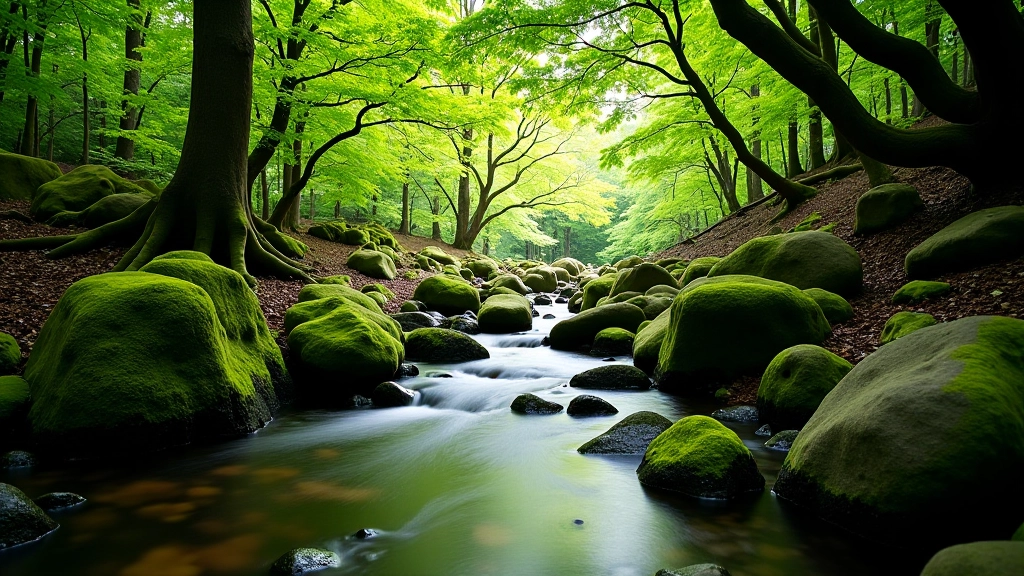
2.5 km • 45 minsFlat ground almost the entire way, following the river's edge. Benches at regular intervals. You'll pass through mixed woodland with glimpses of water throughout. Good if you want something gentle but still interesting.
Best for:
First-time walkers, those preferring shaded paths
Valley Meadow Walk
3.2 km • 60 minsSlightly more open ground with gentle slopes. You'll cross meadowland in spring and early summer — wildflowers everywhere. A bit more elevation than the riverside, but nothing steep. Fewer benches, so bring your own energy.
Best for:
Those wanting more views, slightly more adventurous walkers
Forest Canopy Trail
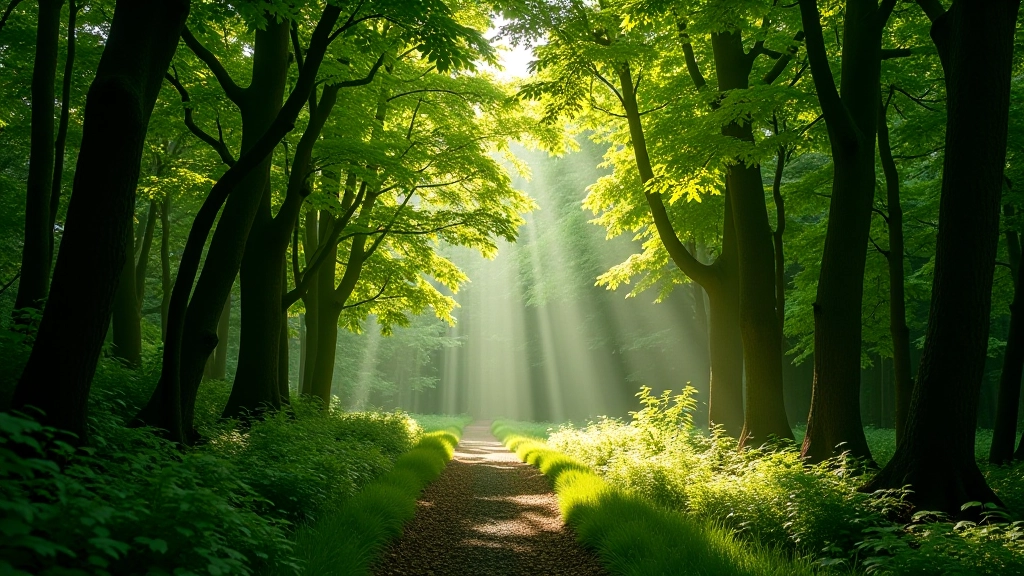
1.8 km • 35 minsShortest option, entirely under tree cover. The path is smooth and well-drained. You're surrounded by mature oak and beech — really peaceful. It's a loop, so no navigation worries. Perfect if you want shade and minimal exposure.
Best for:
Shorter visits, hot weather, those needing shelter
About This Guide
This article is informational and based on recent trail conditions and accessibility assessments. Trail conditions can change seasonally — weather, maintenance, or unforeseen circumstances may affect accessibility. We recommend checking with local visitor centers or trail management before your visit. If you have specific mobility concerns or health conditions, consult appropriate professionals before attempting any walking route.
What You Actually Need to Know
Surface quality matters more than distance. All three routes use compacted gravel or maintained earth paths — nothing slippery or uneven. Drainage is decent even in wet months, though you'll definitely encounter damp patches in winter.
Parking's straightforward. There's a small car park at the valley entrance with accessible spaces. It fills up on weekend mornings, so if you're going on a Saturday or Sunday, aim for early (before 10 a.m.) or mid-afternoon (after 3 p.m.). Weekday visits are notably quieter.
Weather changes fast here. We've had clear mornings turn to drizzle by lunchtime. Wind's not usually a major issue in the valley itself, but exposure on the meadow walk is real on blustery days. Bring a light layer even if it seems fine when you leave.
Small Things That Make a Real Difference
1
Footwear Matters
Proper walking boots or trail shoes with good grip. Don't do this in regular trainers — you'll regret it on damp patches. Waterproof helps but isn't essential if you're walking in dry months.
2
Bring Water
No facilities along the trails. A small bottle or hydration pack is essential. We're not talking about marathon distances, but you'll be grateful for water during warmer months.
3
Start Early
Morning light is better, you'll have quieter trails, and you'll be done before weather turns. Plus you'll have energy left for a proper sit-down afterward — that's half the enjoyment.
4
Know Your Limits
These aren't demanding walks, but they're still walks. Be honest about your fitness level. It's totally fine to do the Forest Canopy Trail twice instead of pushing yourself on the longer routes.
5
Bring a Trekking Pole
Even if you don't usually use one. On descents, it reduces impact on knees. Some people find it gives them confidence on slightly uneven ground.
6
Plan Your Rest Spots
Riverside Loop has benches built in. The other routes don't — so either bring a lightweight seat or plan to stop at natural viewing areas. Breaking a walk into 20-minute chunks feels better than pushing through.

Seasonal Variations
Spring (April to May) brings wildflowers and longer daylight. The valley comes alive. Ground's usually damp but manageable. It's probably the best time to visit — everything's fresh and the temperature's moderate.
Summer (June to August) is warm and mostly dry. Shade becomes valuable — that's when the Forest Canopy Trail really shines. More visitors though, especially weekends. Morning visits avoid the crowds and heat.
Autumn (September to October) is genuinely stunning. Colors change, light's different, fewer people. Ground conditions are usually excellent. This runs a close second to spring as our pick.
Winter (November to March) is possible but trickier. Paths get muddy, daylight's short, and it's genuinely cold. If you're going, do the shorter Forest Canopy Trail and go at midday when light's best. Stick to the Riverside Loop if conditions are icy.
Explore More Walks


The Valley's Worth Your Time
Lauragh Valley isn't going to test your fitness or challenge your navigation skills. What it does offer is genuine accessibility without sacrificing beauty. The routes are manageable, the scenery's real, and you won't feel like you're making compromises just to enjoy a walk.
We've included plenty of specifics here — trail lengths, time estimates, seasonal notes — because vague descriptions don't help anyone. You know what to expect now. Pick the route that matches your energy and interests, bring the essentials, and go explore.
Start with one trail. See how it feels. You'll probably come back for the others. That's how it works for most people who discover this valley.