
Plant Guide
Understanding Kerry's Botanical Heritage
Discover the subtropical plants thriving in Derreen and native woodland species you'll encounter on valley trails

Why Plant Knowledge Matters
Walking through Kerry's gardens and woodlands becomes richer when you understand what you're seeing. It's not just about names — it's about recognizing how different plants arrived here, why they thrive in this particular corner of Ireland, and what they tell us about the landscape's history.
We've spent years walking these trails and talking with horticulturists. What we've learned is that Derreen's subtropical collection and the Lauragh valley's native woodland aren't accidents. They're the result of careful choices, favorable conditions, and generations of knowledge about what grows where.
400+ Plant Species
Documented across Derreen Gardens and surrounding valley trails
Gulf Stream Climate
Mild winters allow subtropical species to survive outdoors
Victorian Heritage
Derreen established in 1840s as an experimental estate garden
Subtropical Species: A Garden Experiment That Worked
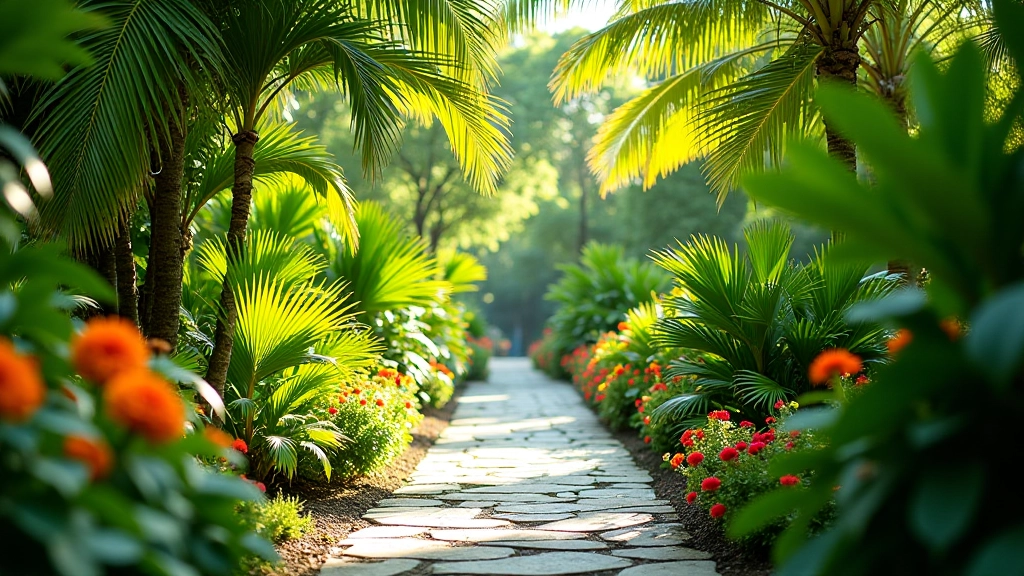
Derreen Gardens showcases plants you'd expect to see in Mediterranean climates or tropical regions. Tree ferns from Australia, Japanese maples, and exotic flowering shrubs flourish here because of Kerry's unique microclimate. The Gulf Stream brings warm water currents that moderate winter temperatures — rarely dropping below freezing for extended periods.
When the original owners planted specimens in the 1840s, they were experimenting. Not all survived the early years, but those that adapted now form the backbone of what you'll see walking through the estate today. The cordyline (often called a palm tree, though it's actually a lily) has become iconic here. You'll spot tall specimens creating a almost tropical canopy in certain sections of the garden.
What makes this particularly interesting is the age of many specimens. We're talking about trees that've been growing here for over 150 years. They've weathered storms, endured occasional hard freezes, and adapted to the Irish landscape in ways that newer plantings simply can't match. The resilience is visible — gnarled trunks, established root systems, character that only comes with time.
Plant Information Disclaimer
This guide provides educational information about plants found in Kerry's gardens and woodland trails. Plant identification can be complex, and growing conditions vary by location. We recommend consulting with horticulturists at Derreen Gardens or local experts for specific plant care, identification concerns, or detailed botanical information. This content is informational only and isn't a substitute for professional horticultural advice.
Native Woodland: What You'll See on Valley Trails
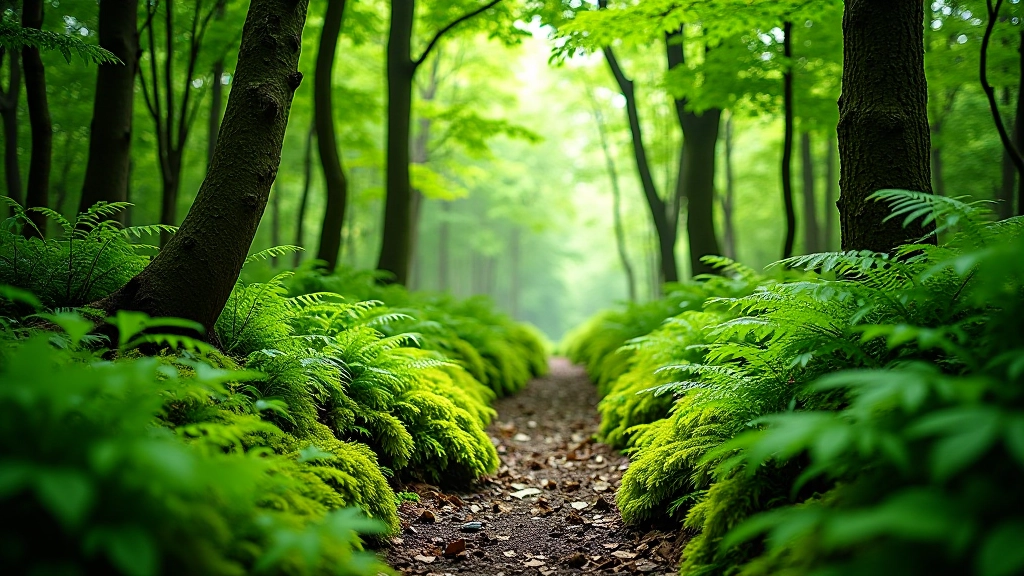
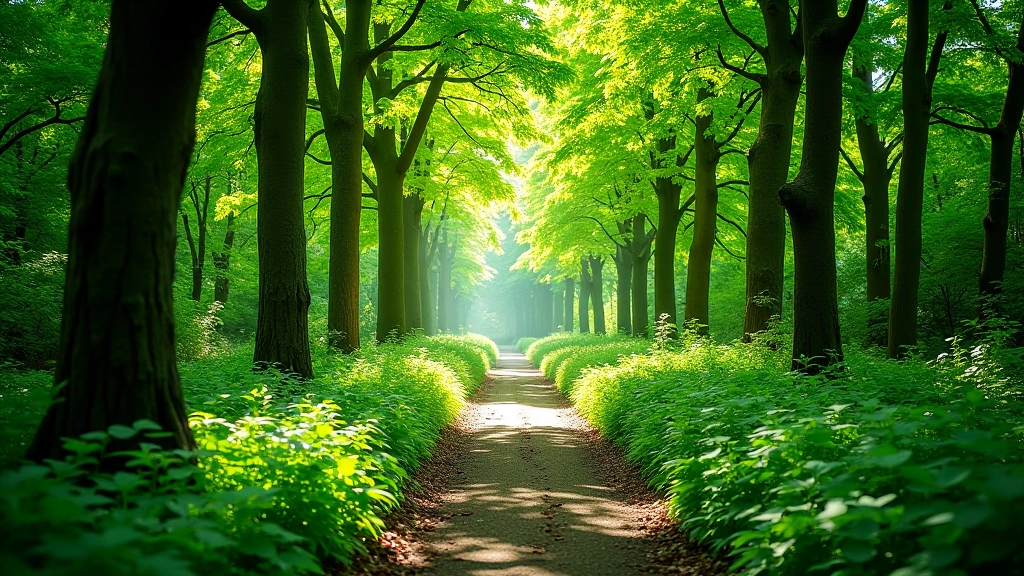
The Lauragh valley trails showcase something completely different — native Irish woodland species that've adapted to this landscape over thousands of years. Here you'll find sessile oak, ash, hazel, and birch forming the canopy and understory. These aren't exotic specimens. They're the backbone of Irish forests, and they're built for this climate.
Walking these trails, you'll notice layers. The tall trees create a canopy overhead. Below that, younger growth and shrubs like holly and hawthorn fill the middle space. And on the forest floor — ferns, moss, and low-growing plants that thrive in shade. Each layer depends on the others. The canopy trees create the right light conditions for the ferns below. The ferns and moss help retain moisture the roots need.
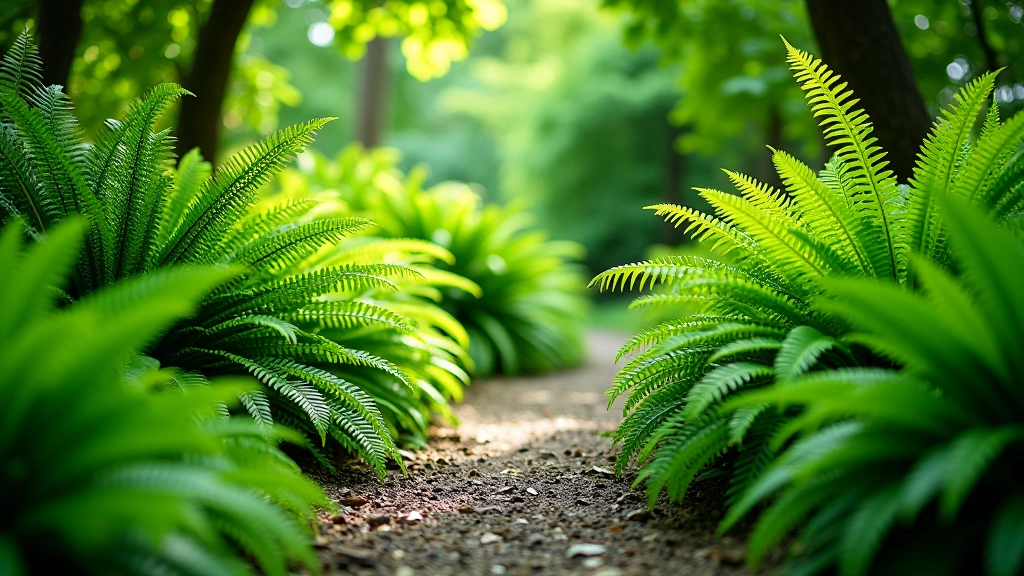
One detail that strikes most visitors: the abundance of ferns. They're everywhere — bracken on the slopes, hart's tongue fern near streams, polystichum (shield fern) in damper areas. This isn't random. Ferns indicate healthy woodland with good moisture levels and protection from harsh winds. They're a signal that the ecosystem is functioning well.

Seasonal Changes: When to See What
Both Derreen and the valley trails change dramatically through the year. Spring (April-May) brings new growth and flowering. The subtropical plants don't flower as dramatically as temperate species, but what blooms here is distinctive. Rhododendrons and camellias put on color. The native woodland comes alive with bluebells in late April — an experience that's genuinely special.
Summer (June-August) is when the subtropical canopy reaches full density. Walking through Derreen feels almost tropical — humid, green, lush. The ferns in the valley woodland reach maximum size. This is also when you'll notice most flowering activity among the native species, though it's subtle compared to gardens in warmer climates.
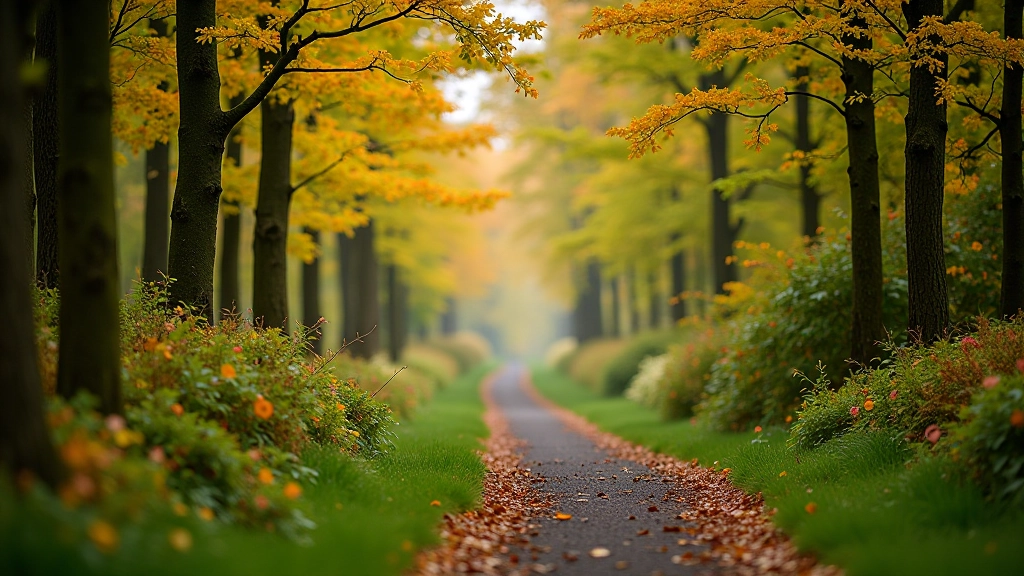
Autumn (September-November) brings the dramatic color changes in deciduous native trees. Ash, oak, and birch transition to golds and reds. The subtropical plants don't change much — their foliage stays green. Winter (December-February) is quiet in the garden, but you'll notice structure more clearly. Tree forms become visible without dense foliage. Frost occasionally coats the subtropical species, a reminder of how precarious their existence actually is in this climate.
Reading the Landscape: What Plants Tell You
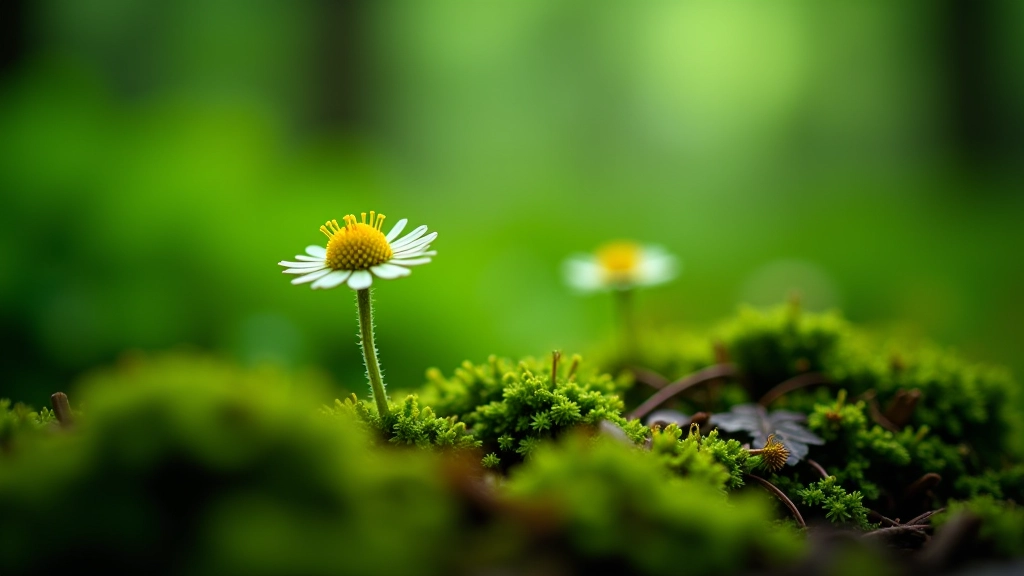
Once you start recognizing plants, the landscape tells stories. Abundance of ferns signals moisture and shade. Dense ivy on tree trunks indicates old woodland — ivy doesn't establish quickly. Large moss-covered boulders mean good moisture retention and protected conditions. Sparse undergrowth under dense canopy suggests the canopy trees are old and established, creating stable shade conditions.
In Derreen, the maturity of the specimen trees is evident in their size and form. A 150-year-old cordyline has a completely different appearance than a 20-year-old specimen. The older trees show damage from storms over decades, asymmetrical growth patterns, and dense foliage that's adapted to specific conditions. This isn't just plant identification — it's understanding time and adaptation.
The valley trails show something similar but different. Where the native woodland's dense canopy exists, you'll see minimal undergrowth. Where light gaps appear — from fallen trees or thinning — you'll notice vigorous young growth competing for that light. It's dynamic, not static. The forest you see today isn't the forest of ten years ago.
Moving Forward: Deepen Your Knowledge
Understanding Kerry's botanical heritage doesn't require years of study. It's about paying attention while you walk. Notice the different leaf shapes. Watch how plants grow differently in different light conditions. Talk to the staff at Derreen Gardens — they're genuinely knowledgeable and enjoy sharing what they know. Pick up a field guide specific to Irish plants before your next valley walk.
The subtropical specimens at Derreen and the native woodland in Lauragh represent two completely different stories about plants and place. One is about human experimentation and adaptation of species far from their origin. The other is about species that've lived here for millennia, finely tuned to Irish conditions. Both are worth understanding, and both are accessible to anyone willing to look closely.